BESS system: energy storage to reduce costs and increase operational safety
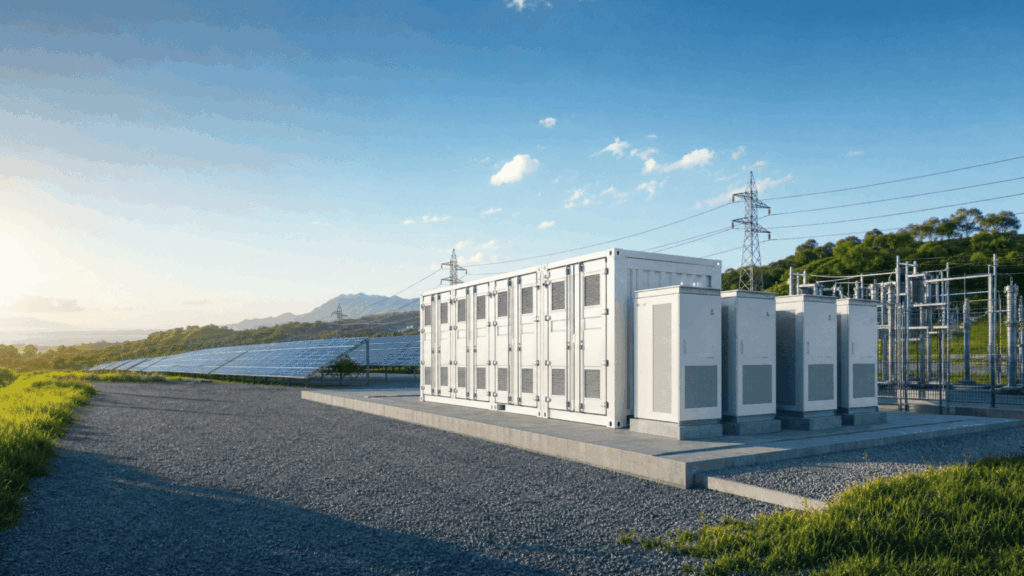
With volatile energy costs, growing demand, and the need for safer operations, the BESS system has moved beyond being just a trend and has become a strategic solution for companies seeking efficiency, predictability, and greater control over energy consumption.
BESS, short for Battery Energy Storage System, is a battery-based storage system that allows energy to be stored for use at strategic moments. It can be used to reduce dependence on the electrical grid, protect operations against fluctuations and outages, and optimize consumption during higher-cost periods.
For the system to generate real value, proper sizing is essential. This process begins with analyzing the company’s load curve, identifying periods of higher consumption and the points where storage can provide greater savings or security. It is also important to define the project objective, such as reducing contracted demand, using energy during peak hours, integrating with on-site generation, or providing backup for critical processes.
One of the main applications of BESS is Peak Shaving, a strategy that reduces demand peaks and helps lower tariff charges. The system also makes it possible to store energy during lower-cost periods and use it during more expensive hours, while increasing the use of renewable sources such as solar energy.
Another important point is scalability. Well-structured projects should consider the future growth of the operation, using modular solutions that can be expanded as demand increases. With smart management and real-time monitoring, the system analyzes consumption, tariffs, and generation to automatically optimize the use of stored energy.
SoEnergy supports companies throughout every stage of the project, from energy diagnosis to sizing, installation, and operation of the BESS system. With a technical and strategic approach, the company develops scalable, safe, and efficient solutions aligned with the real needs of each operation.
When properly planned, energy storage becomes a competitive asset for the business. It reduces costs, increases operational stability, improves energy predictability, and prepares the company to grow with greater safety and efficiency.
If your company is looking for a solution to reduce costs and turn energy storage into a strategic advantage, contact SoEnergy and discover the ideal system for your operation.